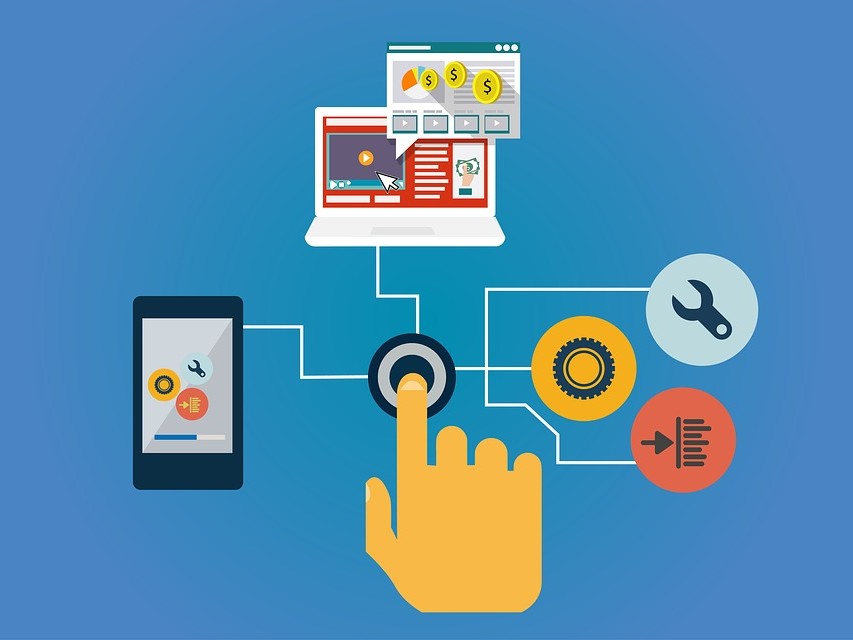
No-code and low-code platforms have rapidly transformed the software development landscape by making application creation faster, more accessible, and less dependent on traditional programming skills. These platforms use visual interfaces, drag-and-drop components, and pre-built templates to allow users to build functional systems without writing extensive code. As businesses continue to digitize their operations, the demand for quick, flexible, and cost-effective solutions has driven the widespread adoption of these tools.
One of the biggest advantages of no-code and low-code platforms is the significant reduction in development time. Instead of spending months on design, coding, and testing, teams can create prototypes or full applications within days. This speed enables organizations to respond quickly to market changes, customer needs, and internal operational challenges. It also empowers “citizen developers”—non-technical staff who understand business processes—to participate directly in creating solutions that improve efficiency.
Cost savings also play a major role in the rise of these platforms. Traditional software development can be expensive due to the need for specialized developers, infrastructure, and long-term maintenance. No-code and low-code tools minimize these costs by providing ready-made building blocks and automated workflows that reduce reliance on large development teams. Small businesses, startups, and nonprofits particularly benefit because they can create customized systems without large budgets.
Despite their benefits, no-code and low-code tools have limitations. Highly

Looking ahead, the future of no-code and low-code platforms is being shaped by artificial intelligence. AI-powered tools can now interpret natural language descriptions and automatically generate interfaces, workflows, and logic, further lowering the barrier to application development. As AI continues to improve, these platforms will become even more intuitive and capable, enabling a world where building software relies less on writing code and more on expressing ideas clearly.
The digital era demands agility, and businesses that can’t adapt quickly risk falling behind. Cloud and DevOps services are at the heart of modern IT transformation, and Glomex Technologies provides solutions that give businesses the competitive edge.
Cloud computing
Managing projects is more complex than ever. Remote teams, multiple stakeholders, and tight deadlines make traditional methods ineffective. Project management tools have become essential, and at Glomex Technologies, we create platforms that simplify collaboration and enhance productivity.
Our tools
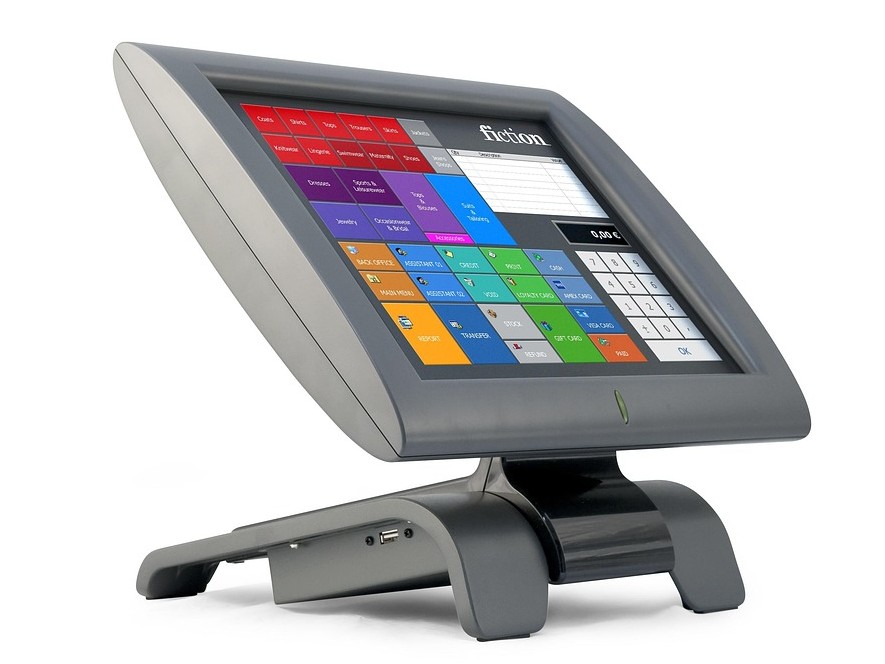
For businesses that rely on physical transactions, Point-of-Sale (POS) systems are critical. They don’t just process payments—they manage inventory, track sales, and provide valuable insights into customer behavior. At Glomex Technologies, we design POS systems that go beyond transactions
The retail landscape has changed forever. Consumers now expect seamless online shopping experiences, personalized recommendations, and secure payment systems. At Glomex Technologies, we build cutting-edge e-commerce platforms that help businesses tap into this digital revolution.
E-commerce isn’t just about
© Glomex Technologies. All Rights Reserved.