The first thing Mira noticed about the new platform wasn’t the drag-and-drop interface or the pastel-colored buttons. It was the silence.
No frantic typing. No late-night arguments about semicolons. No one muttering curses at a compiler.
Just ideas—moving.
Mira had been a software engineer long enough to remember when building an application felt like assembling a cathedral stone by stone. Every feature demanded weeks of code, endless testing, and a small sacrifice to the gods of deployment. But the company had changed. Deadlines were tighter, teams were smaller, and the business side wanted answers yesterday.
That’s when the low-code platform arrived.
At first, the developers scoffed.
“Real software isn’t built with blocks,” one of them said.
“Training wheels,” another muttered.
But the product managers loved it. So did the operations team. And, quietly, so did Mira.
The platform didn’t replace code—it rearranged the conversation. Instead of starting with how to build something, teams started with what they wanted. Workflows appeared as diagrams. Data models took shape with a few clicks. Logic unfolded like a storyboard rather than a riddle.
One afternoon, a customer support lead named Jonah walked over to Mira’s desk.
“I built something,” he said, half-apologetic.
Mira raised an eyebrow. Jonah didn’t code.
He

Mira felt something shift.
Low-code didn’t make engineers obsolete. It made them multipliers. Instead of grinding through repetitive scaffolding, Mira focused on the hard parts: performance tuning, integrations, security. She wrote custom extensions where the platform stopped. The system grew like a city—modular, adaptable, alive.
Problems still existed. Governance mattered. Technical debt didn’t vanish; it just wore a friendlier face. Some apps sprawled without discipline, and not every solution should have been built so easily. But the platform forced conversations earlier, when changes were cheap and ideas still flexible.
Months later, during a demo for executives, Mira watched as a new intern adjusted a workflow live, fixing a bug while users applauded.
This wasn’t the end of programming, she realized.
It was a shift in authorship.
Software was no longer written only by specialists behind closed doors. It was composed—by engineers, designers, analysts, and people who understood the problem better than any spec ever could.
As the meeting ended, Mira opened a new project. She dragged the first block onto the canvas, then smiled and opened the code editor beside it.
Some stories are typed.
Some are assembled.
The best ones are built together.
The digital era demands agility, and businesses that can’t adapt quickly risk falling behind. Cloud and DevOps services are at the heart of modern IT transformation, and Glomex Technologies provides solutions that give businesses the competitive edge.
Cloud computing
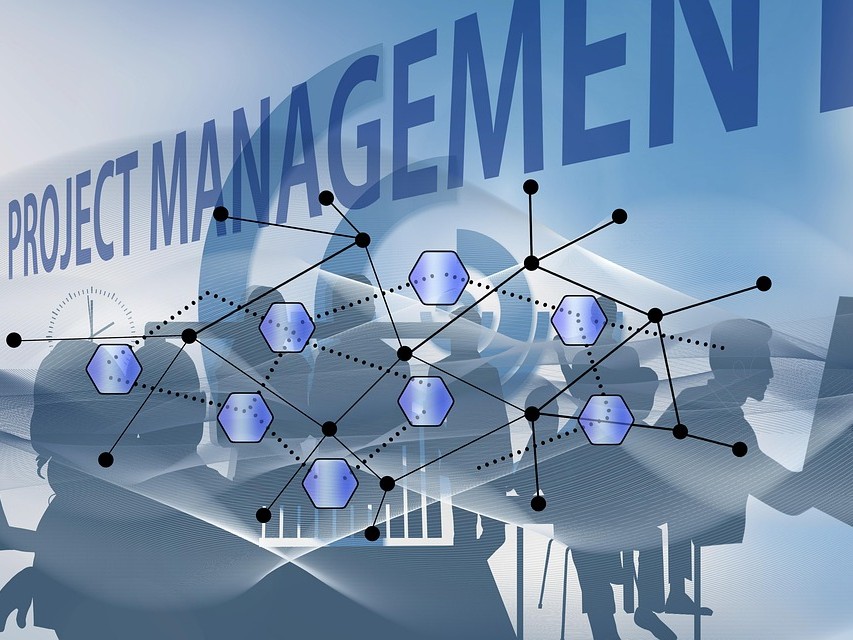
Managing projects is more complex than ever. Remote teams, multiple stakeholders, and tight deadlines make traditional methods ineffective. Project management tools have become essential, and at Glomex Technologies, we create platforms that simplify collaboration and enhance productivity.
Our tools
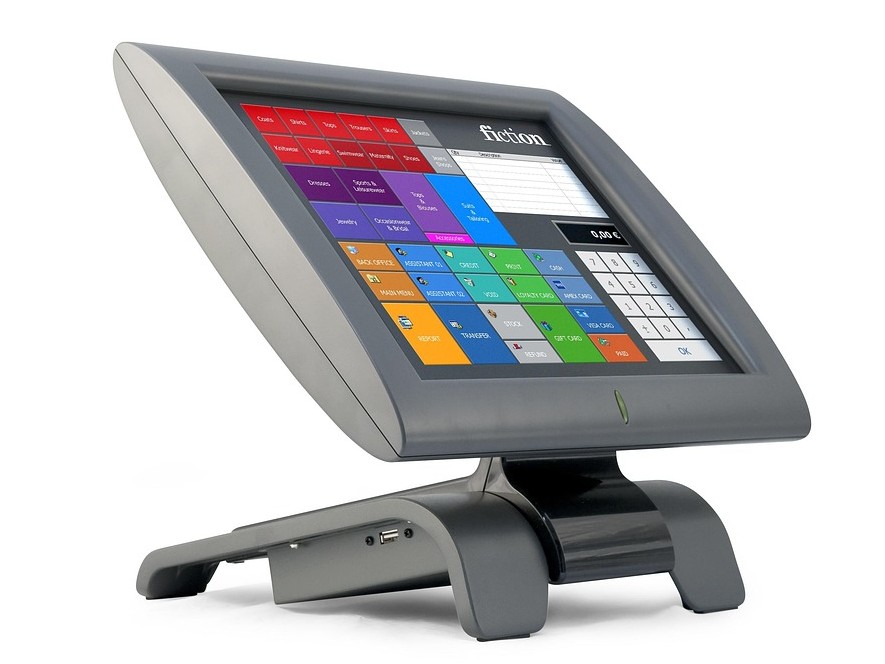
For businesses that rely on physical transactions, Point-of-Sale (POS) systems are critical. They don’t just process payments—they manage inventory, track sales, and provide valuable insights into customer behavior. At Glomex Technologies, we design POS systems that go beyond transactions
The retail landscape has changed forever. Consumers now expect seamless online shopping experiences, personalized recommendations, and secure payment systems. At Glomex Technologies, we build cutting-edge e-commerce platforms that help businesses tap into this digital revolution.
E-commerce isn’t just about
© Glomex Technologies. All Rights Reserved.